Sensory changes after a concussion can disrupt how the brain processes vision, balance, and body awareness — and these disruptions are now understood to be major drivers of persistent symptoms and delayed recovery.
Impact of Sensory Changes on Concussion Recovery
How Vision, Balance, and Body‑Awareness Changes Shape Symptoms, Diagnosis & Healing
Concussion is no longer viewed as a simple “bruise to the brain.” Modern neuroscience shows that sensory system disruption — especially in the visual, vestibular, and proprioceptive networks — plays a central role in why symptoms appear, why they persist, and why recovery varies so widely between individuals.
🧠 Why Sensory Systems Matter After a Concussion
Your brain constantly blends information from your eyes, inner ears, and body to keep you balanced, oriented, and focused. After a concussion, this integration can become unstable.
Research shows that people with recent or past concussions often respond too strongly to visual and vestibular input, indicating abnormal sensory dependence and impaired postural control. pmc.ncbi.nlm.nih.gov
Another major theory proposes that the concussion event floods the brain with high‑intensity sensory signals, overstimulating key regions like the salience network and locus coeruleus. This can create persistent, maladaptive patterns of network excitability — essentially “teaching” the brain to stay dysregulated. Frontiers
🔍 How Sensory Changes Show Up in Everyday Symptoms
Sensory disruption can produce a wide range of symptoms, including:
Dizziness or vertigo
Light and sound sensitivity
Blurred or double vision
Difficulty reading or tracking moving objects
Balance problems or unsteadiness
Feeling “off,” foggy, or overwhelmed in busy environments
These symptoms often persist because the brain is relying on unstable or mismatched sensory information. Studies show that concussed individuals may upregulate sensory integration processes, requiring more brain effort to maintain balance and posture. MIT Press
🧩 Why Some People Stay Symptomatic Longer
Persistent symptoms are often not due to structural brain injury, but to ongoing sensory miscommunication. When the brain cannot correctly “reweight” sensory inputs — for example, relying too much on vision and not enough on vestibular cues — symptoms can linger for months.
This explains why two people with the same injury can have completely different recoveries.
🩺 How Clinicians Identify Sensory‑Driven Concussion Problems
A modern concussion assessment should evaluate:
Eye movements and visual tracking
Vestibular function (inner‑ear balance reflexes)
Proprioception and postural control
Sensory reweighting under different conditions
Cognitive load tolerance
Traditional rest‑and-wait approaches often miss these dysfunctions entirely.
🔄 The Good News: Sensory Systems Can Be Retrained
Because these problems are functional — not structural — they respond extremely well to targeted rehabilitation, including:
Vision therapy
Vestibular rehabilitation
Balance and proprioceptive retraining
Reflex integration
Gradual sensory exposure
Neurological rehabilitation based on functional testing
When the right sensory systems are identified and retrained, recovery often accelerates dramatically.
🌟 What This Means for Your Recovery
If you’re still symptomatic weeks or months after a concussion, it does not mean you’re “broken” or permanently injured. It often means your sensory systems need help recalibrating.
At The Lakes Chiropractic, we use advanced neurological testing to identify which sensory circuits are disrupted — and build a personalised rehabilitation plan to restore them.
Many people in Tauranga are told that concussion symptoms “should settle in a couple of weeks.” And for some, they do.
But for others, symptoms like dizziness, headaches, brain fog, fatigue, and balance problems linger for months.
If that’s you, it’s natural to ask:
“Why am I still symptomatic?”
Modern neuroscience—and newer clinical models—are finally giving us clearer answers.
Concussion Isn’t One‑Size‑Fits‑All
Traditional concussion care focuses on:
Rest
Symptom monitoring
Gradual return to activity
This works well for simple, short‑term concussions. But it doesn’t explain why 15–30% of people continue to struggle long after the initial injury.
That’s where newer models, including the Carrick Institute approach and the NERD model, offer deeper insight.
The Brain Works as a Network — and Concussion Can Disrupt That Network
The recent NERD model (Frontiers in Systems Neuroscience, 2026) reframes persistent symptoms as a network‑level problem, not a “mystery illness.”
It describes the brain as a system of five interconnected functional nodes that constantly communicate to keep you balanced, oriented, focused, and regulated. When concussion disrupts these reflex circuits, symptoms can persist. Frontiers
In the first years of our lives, we strive to stand up and walk. We achieve milestones of rolling, tummy time, sitting, standing then walking. We refine this innate skill as we grow through childhood. We never really thought about the need to stand, we just did it, it was an unconscious, innate desire.
Then through the following years to adulthood we played, ran, climbed, worked, sat down – stood up without a second thought. This unconscious ability to stand up and move only becomes genuinely appreciated when it is NOT working. This a quality-of-life issues this innate feature should be robust throughout our life, vertigo, dizziness, feeling unstable are expressions of this human function breaking down.
With 40% of Taurangas population over 50 years old and ACC records in 2016 stating 1 in 6 people over 50 have an ACC recorded fall this will only get worse as the population ages. Injury from Falls are costly to the healthcare system, however, personally it changes your life. First, small subconscious changes, being more wary and alert to threats, then slowly changing your daily activities, plans and intent.” Oh, I won’t go out today because it’s raining” “I won’t go out today because it looks like rain” “I won’t go out today because it might rain”. Steadily your life changes but this will not help to change this balance system we took for granted.
There are three systems that create the postural drive.
1. Visual; this identifies where you are in your surroundings, and what obstacles are there. Crowded shopping mall, busy footpath, stairs, slippery path, moving from bright daylight to a dark room.
2. Vestibular(balance); This mechanism determines how you are positioned relative to gravity. Are you leaning forward, bending forward, standing up straight, turning your head or turning body? Are leaning or moving outside the limits of your stability, are you near falling?
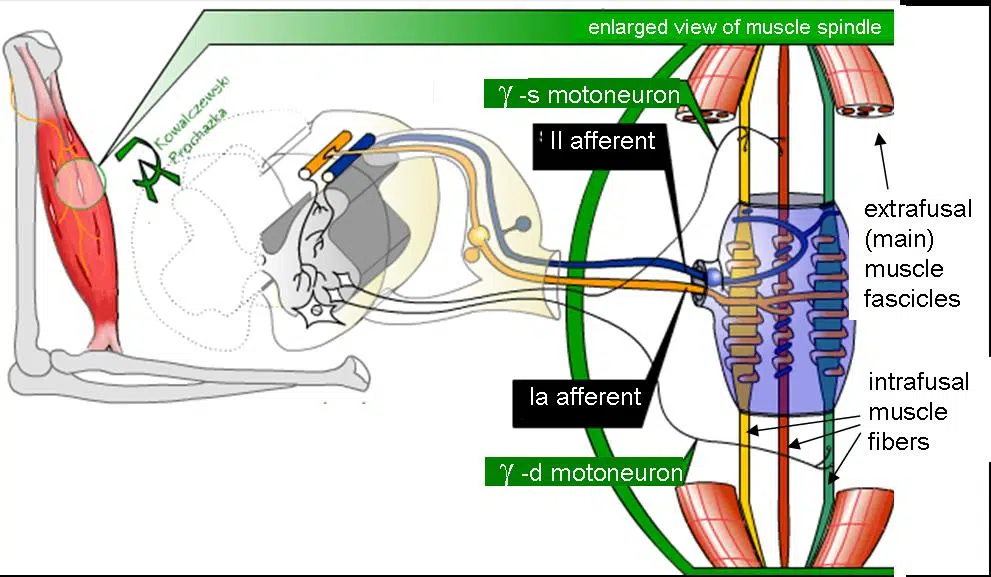
3. Proprioception; Is information from how the ankle, knee, hip lower and lower back are moving, also it informs how the head is moving relative to the trunk of your body. Muscle spindles and receptors in the skin become vital for creating the unconscious mental picture of how your joints are moving, what the surface is under your feet, have you slipped a bit.
Is pain the problem or just the final step on the path when we have back and neck pain?
This isn’t a chicken and egg problem because the sensory information comes first.
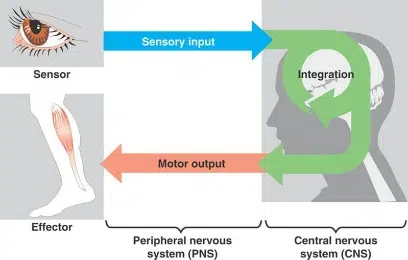
Motor control from the brain is responsible for posture, stability, and movement. But how do you get motor control? First, you need sensory information from your vision, balance, motion segments, and muscles of the spine via muscle spindles to provide information about where the body is starting from and how you are moving.
Think of a funnel, a lot of sensory information flows in, and accurate movement is the response.
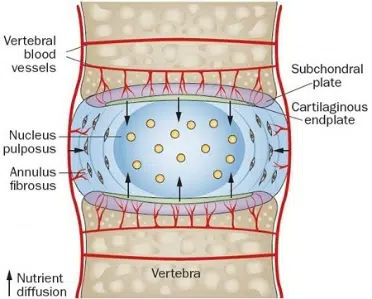
Breakdown in motor control occurs with injury, accidents, falls, sports injuries, concussions, etc. The change to sensory information causes smudging of the cortex and results in more noise and errors in movement actions. It is the loss of motor control that adds load to joints, discs muscles as the brain attempt to limit movement and stabilise the painful area.
Rehabilitation concepts are changing, looking at the changes to the sensory input systems to improve motor control is being viewed as the best option for long-term outcomes. It is difficult to change something you are not aware of. The movement of the spine, eyes, and balance are subconsciously controlled. You need to measure changes in these systems to create effective change.
If you have spine-related pain that is not improving as you believe it should then call or text for an appointment. The Lakes Chiropractic 027 577 0322
Can you remember when you did not think about backaches and pain in your neck, legs, shoulders? When you were younger? What about now? What has changed over time? Episodes of back pain inhibits movement control and as a result you are likely to experience more spine-related pain.
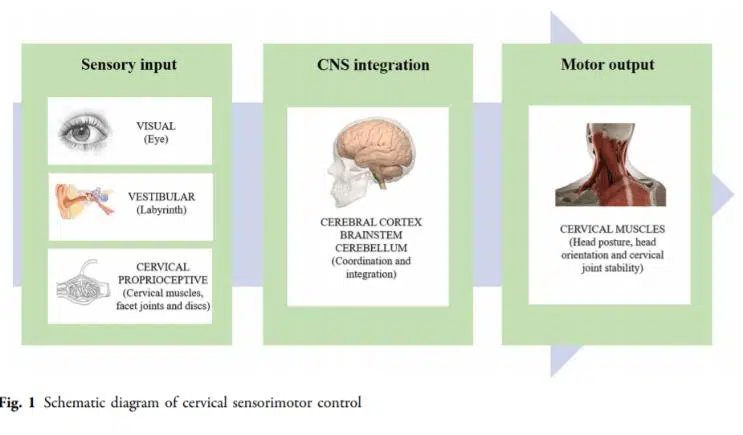
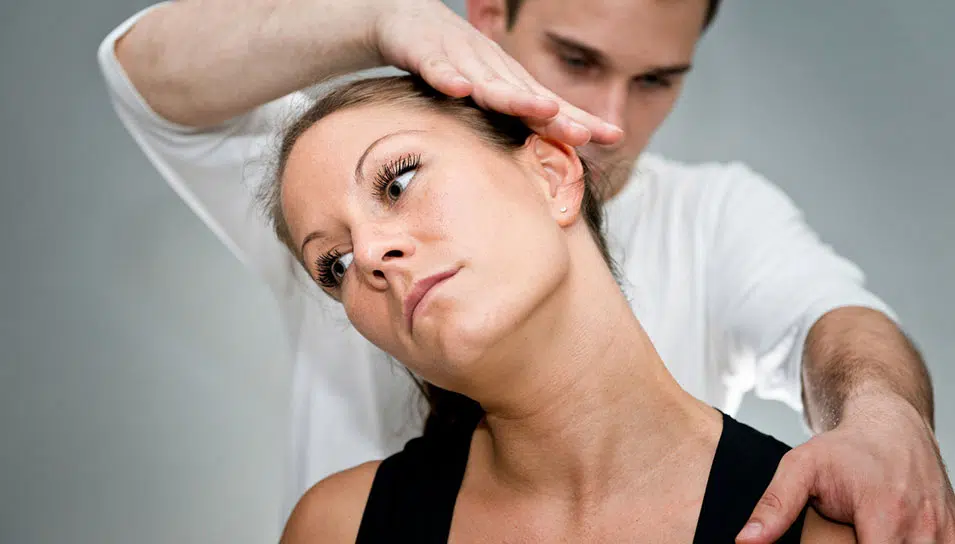
Current research and studies highlighting the role of proprioception dysfunction (kinaesthesia/position sense of limbs and body) and the connection between neck pain. The cervical spine integrates visual, balance, and position sense to create head and neck movements.
1. The Visual System: information of the head position relative to its surroundings.
2. The Vestibular (balance) System: information of the head relative to gravity
3. Proprioceptive System: information of the head relative to the trunk
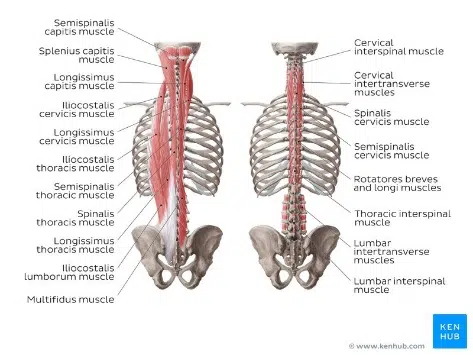
Head position awareness on the trunk is achieved with muscle spindles.
Muscle spindles interpret stretch and movement within the muscle and relay this information to the brain.
Importantly, the cervical muscle spindles also directly relay information of head and neck movement to the visual and vestibular systems.
Neck pain affects not only your quality of life, work, social, family, sports it also changes how the visual, balance and proprioceptive systems send information to the brain and consequently alters how these systems integrate. The changes to the neural network from downregulation, aka not working like it did.
The paper by Holtmann S, (1) states “Muscle spindles seem to play a dominant role as receptors for neck movements. Different ascending pathways project to the central nervous system and the signals interact with visual and vestibular stimuli.” The changes to how the muscle spindles send information to the brain can affect how you interpret balance and affect control of the eyes as we move our heads.
Simone Elsigs et.al paper in the conclusion promotes “We recommend the assessment of different aspects of sensorimotor ability, even in patients with mild neck pain, to detect movement control impairment and to avoid recurrent neck pain.”
Articles akin to these compounds our understanding that it is important to be able to measure the affects of neck pain. The issue then arises how can we accurately measure cervical dysfunction related to neck pain. We can measure with computerised posturography, eye movement tracking, near far quickness, target searches, reading accuracy and comprehension etc, all these tests are data based, and progress can be tracked.
If you have recurrent neck pain, if you appreciate that to get a different result you will need a different solution, then know you have an opportunity here.
Click on the links below and see a simple exercise that help rebuild movement control.
1: Holtmann S, Reiman V. Zervikale Afferenzen und ihre Einbindung in die Gleichgewichtsregulation [Cervical afferent fibers and their relation to the regulation of equilibrium]. Laryngorhinootologie. 1989 Jan;68(1):72-7. German. doi: 10.1055/s-2007-998288. PMID: 2644505.
2: Simone Elsig, Hannu Luomajoki, Martin Sattelmayer, Jan Taeymans, Amir Tal-Akabi, Roger Hilfiker, Sensorimotor tests, such as movement control and laterality judgment accuracy, in persons with recurrent neck pain and controls. A case-control study,